Nearly every glass bauble on every tree in the world traces back to one small town in the German mountains — and to an American shopkeeper who saw them once and ordered two hundred thousand a year.
Lauscha: the town made of glass
Lauscha, in the forests of Thuringia, had been a glassmaking town since the sixteenth century, producing drinkware and beads. The decisive moment came in 1847, when its glassblowers began blowing glass into moulds — suddenly able to produce detailed, repeatable shapes, including ornaments for the newly fashionable Christmas tree. Fruit, nuts, icicles, and eventually the plain silvered sphere: the bauble as we know it is a Lauscha invention, and production flourished from about 1870 onward.
Woolworth ships them to the world
The export story has a name attached: F.W. Woolworth encountered the hand-blown, hand-painted ornaments and began importing them for his American chain in the late 1880s. By the turn of the century he was ordering some 200,000 a year, and the German glass bauble became the standard tree decoration across the English-speaking world — a cottage craft from one mountain town, scaled by the man who effectively invented the discount store.
Source: Homes & Antiques and V&A
Germany keeps supplying the tradition
It is striking how much of the British Christmas is German-made: the tree itself, the advent calendar, and the ornaments hanging on the branches — three separate imports, covered in the tree’s history and the advent calendar’s. The bauble is simply the shiniest of the three.
Wearable baubles
The knitwear equivalent of hand-silvered glass is sequin work — catching every light in the room with no battery required.
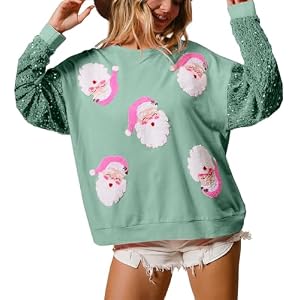
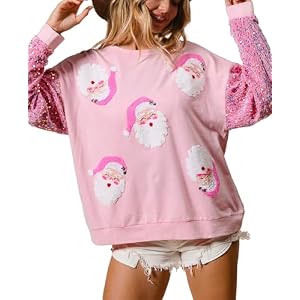
More shine in the Light-Up & Sparkle collection.