The Christmas cracker is one of the few traditions with a named inventor, a shop address and a running-repair history — and it started life as a French sweet that would not sell.
A confectioner with a problem
Tom Smith (1823–1869) was a London confectioner with a shop on Goswell Road in Clerkenwell. On a trip to Paris in 1840 he saw the French bon-bon — an almond wrapped in a twist of pretty paper — and brought the idea home, adding a small motto or riddle inside the wrapper. They did not sell especially well, which is the part of the story that usually gets forgotten: the cracker began as a commercial disappointment in need of a gimmick.
The bang
The gimmick arrived — traditionally dated to 1847, with the working snap perfected over the following decade — supposedly inspired by the crackle of a log fire. Smith bought the snap mechanism from a chemist who had worked for a fireworks manufacturer, and the “cosaque,” as it was first called, finally had its point: a sweet you had to fight someone for, that went off in your hands. By the 1860s he was the foremost cracker maker in London and imitators were everywhere. The hat, the terrible joke and the plastic fish came later, but the format — two people, one bang, contested spoils — has not changed in a century and a half.
Source: Wikipedia — Tom Smith and Historic England
Why the cracker survives
The cracker endures for the same reason the Christmas jumper does: it is a small, structured piece of silliness that gives everyone at the table permission to be ridiculous at the same time. The paper hat is compulsory-optional in exactly the way jumper day is — nobody has to, everybody does, and the one person who refuses becomes the story. That dynamic is covered from the knitwear side in running an inclusive Christmas jumper day.
Dressed for the dinner table
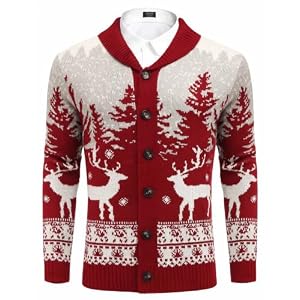
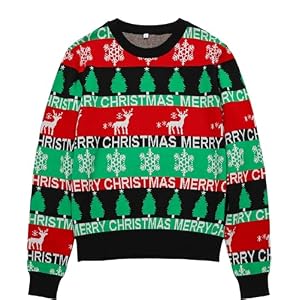
If the crackers are coming out, you are at a seated dinner — which is the argument for a jumper you can actually sit and eat in: a proper knit or a cardigan rather than anything with a battery pack at the hem.