The Christmas market — mulled wine, wooden stalls, a large illuminated tree, mild hypothermia — feels like a recent import to Britain. The format itself is nearly six hundred years old, and it began as a butcher’s queue.
Dresden, 1434: one day, mostly meat
Dresden’s Striezelmarkt, generally counted the oldest true Christmas market in Germany, was first held in 1434 — a one-day market on the Monday before Christmas, existing so citizens could buy meat for the Christmas meal after the Advent fast. No crafts, no carols: provisioning. Other German cities have older winter markets still — Munich’s dates to 1310 and Frankfurt’s to 1393 — but Dresden’s is the one that was explicitly a Christmas market, and it has run ever since, taking its name from the local Stollen-like cake, the Striezel.
Source: City of Dresden and Wikipedia — Striezelmarkt
From provisioning to pageant
Over the centuries the German markets accumulated everything else — the stalls of toys and ornaments (including, eventually, Lauscha’s glass baubles), the food, the music, the tree. The modern British versions are direct franchises of that tradition, which is why the stalls are wooden chalets and the sausage is bratwurst: the format arrived with its Germanness intact, one more entry in the long list of German exports that built the British Christmas.
Going to one: the practical bit
A Christmas market is a three-hour outdoor standing event in December, which makes it the harshest test in the festive calendar for clothing. Real knit, a high neck, layers underneath — the full doctrine is in layering for outdoor Christmas events, and it was practically written for market trips.
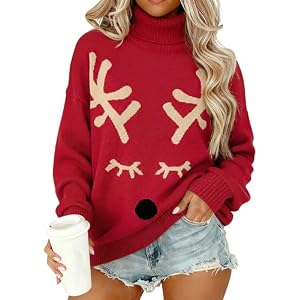

Both built for standing in a queue for Glühwein. More in the Men’s Christmas Jumpers collection.