The Elf on the Shelf is the youngest tradition in the Christmas canon by some distance: a self-published picture book from 2005 that put a surveillance elf into millions of homes and a nightly staging obligation onto millions of parents.
A family habit, written down
The book was written by Carol Aebersold and her daughter Chanda Bell, based on Aebersold’s own childhood family tradition: an elf doll that “magically” moved to a new spot in the house each morning through December. The pair wrote the story in rhyme in 2004, published it in 2005 packaged with the elf itself, and established the rules — the elf is Santa’s scout, it reports back nightly, and it must not be touched.
Why it conquered December
It works because it is a countdown with a character — the advent calendar’s job, performed by a mischief-maker — and because the nightly repositioning escalated, via social media, into competitive parental theatre: flour angels, zip-line elves, crime scenes involving sugar. What began as “move the doll” is now a twenty-four-night content format, and the annual mid-December photo of an elf forgotten in the same spot for three days is itself a tradition now.
New traditions are still being minted
The elf’s real lesson is that the canon is open. A tradition invented in living memory, by two named people at a kitchen table, sits beside customs from the 1300s and nobody blinks — the same pattern as Rudolph, invented by a department store, and the ugly jumper party, invented in a Vancouver living room.
Elf-adjacent knitwear
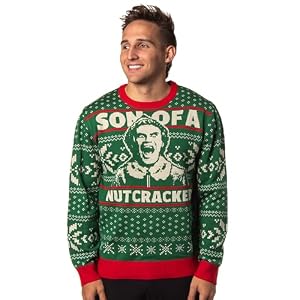
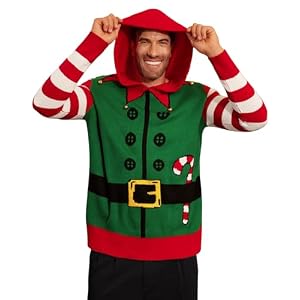
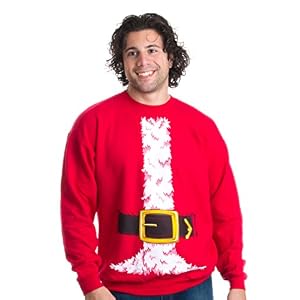
For the humans doing the nightly staging — the Kids’ collection covers the audience.