Rudolph is not folklore. He is advertising copy — written in 1939, by a named employee, for an American department store that wanted a cheaper giveaway. He may be the only beloved Christmas character with a corporate memo behind him.
A copywriter’s assignment
Montgomery Ward had been buying colouring books to give away to children at Christmas, and in 1939 decided it would be cheaper to produce its own. The job went to a 34-year-old copywriter, Robert L. May, who pitched an “ugly duckling” story: a young reindeer mocked for a glowing red nose, which turns out to be exactly what Santa needs on a foggy Christmas Eve. The store nearly balked — red noses carried an association with drunkenness — but May insisted children would side with the outcast, and he was right by a wide margin: 2.4 million copies were given away in the first year alone.
The song that finished the job
In 1947, in an act of corporate generosity that would astonish a modern licensing department, Montgomery Ward signed the copyright over to May himself. His brother-in-law, the songwriter Johnny Marks, turned the story into a song, and Gene Autry’s 1949 recording made Rudolph permanent — a character invented for one store’s Christmas promotion, now embedded in the canon beside figures with a thousand years’ head start.
Source: Smithsonian Institution and NPR
Why the underdog stuck
May’s instinct — that the laughed-at outsider who saves the day would outlast any number of dignified reindeer — is the same mechanism that makes the ugly Christmas jumper work. Both are about embracing the ridiculous thing rather than hiding it; the full theory is in why ugly Christmas jumpers make us laugh.
The reindeer, in knitwear
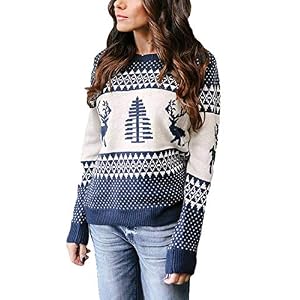
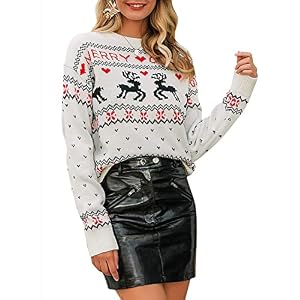
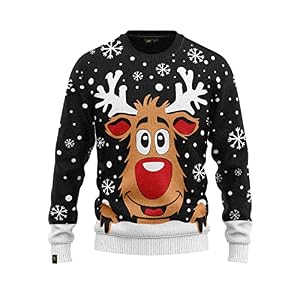
Eighty-odd years on, the reindeer is the second-most-knitted figure in the category — from faithful red-nosed Rudolphs to traditional pattern-band herds.