Boxing Day has nothing to do with fighting and nothing to do with putting decorations back in boxes. The name comes from actual boxes — two different kinds, depending on which century you ask.
The church box
The older explanation is the alms box. Medieval churches put out a collection box during Advent, and its contents were opened and distributed to the poor on 26 December — which is also the feast of St Stephen, a figure long associated with charity. (He is the same “feast of Stephen” that Good King Wenceslas looked out on.) On this account, the day is named for the box being opened.
The servant’s box
The more recent explanation belongs to the eighteenth and nineteenth centuries. Servants in wealthy households were expected to work on Christmas Day itself; the 26th was their day off to visit family, and employers sent them away with a “Christmas box” of money, food or small gifts. Tradespeople — the milkman, the lamplighter, the postman — collected their own boxes on the same day, as thanks for the year’s service. Both explanations are probably true at once; traditions this old rarely have a single clean origin.
Source: History.com and Britannica
What the day became
Modern Boxing Day is leftovers, football, a long walk and the sales — a day off with the pressure removed, which is arguably truer to its origins than it looks. It is also, for anyone in retail, one of the hardest working days of the year, which the rest of us do well to remember while queueing: the person on the till is having the exact opposite of a day off. What to wear for a full shift of it is covered in Christmas jumpers for people who work a full shift.
The Boxing Day jumper
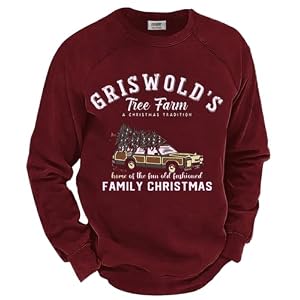
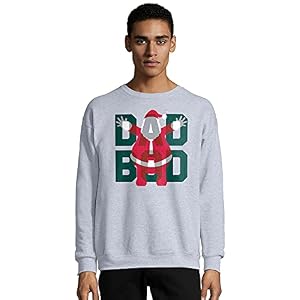
The 26th is the one day the jumper is worn entirely for yourself — no party, no competition, no photograph. That brief favours comfort over spectacle: soft fleece for the sofa, or a fleece-lined layer if the long walk actually happens.