“White Christmas” is two different obsessions wearing one name: the best-selling single in recorded history, and Britain’s annual argument with the weather. Both are worth the numbers.
The song: 50 million copies, recorded in 18 minutes
Irving Berlin wrote it; Bing Crosby recorded it in 1942 in a session of about eighteen minutes; and it went on to sell an estimated 50 million copies, which Guinness World Records lists as the best-selling physical single of all time. Nothing has beaten it in eighty years, and given how singles are consumed now, very possibly nothing ever will. A song about nostalgia for snow, recorded in Los Angeles in June, permanently holds the record — Christmas in one fact.
The weather: one snowflake counts
The British definition of a white Christmas is magnificently generous. For the Met Office, it is a white Christmas if a single snowflake is observed falling anywhere in the UK during the 24 hours of 25 December. Not settling; falling. One flake, on one hillside, counts. (The Americans require an inch of snow actually lying on the ground on Christmas morning, which is a different and franker relationship with disappointment.) The bookmakers’ famous white-Christmas odds are usually priced against flakes falling on specific named buildings, which is why it can officially snow at Christmas and still cost you your bet.
Source: Wikipedia — White Christmas and Met Office
Why we want it so badly
Dickens’ childhood coincided with some genuinely snowy winters, the Victorians froze that imagery into the card and the carol, and Berlin set it to music — so the entire culture now measures Christmas against weather that mostly is not coming. The snowflake jumper is the practical compromise: guaranteed snow, worn indoors.
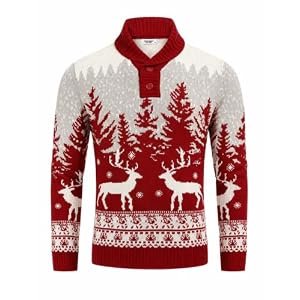


Snow that arrives on schedule — more in the Women’s collection.