The robin is on your Christmas cards because of a uniform. Not the bird’s — the postman’s.
The redbreasts who delivered the mail
From the eighteenth century until 1861, British postmen wore bright red coats, and the public nicknamed them “robins” after the bird. The novelist Anthony Trollope — himself a Post Office man, and the inventor of the pillar box — has characters in Framley Parsonage (1860) call the local postman a “robin postman.” When the penny post made the Christmas card a mass habit, Victorian illustrators drew the visual pun: an actual robin, delivering an actual card in its beak. The bird was standing in for the man who brought your post.
Source: The Postal Museum and RSPB Aylesbury
The bird held the job after the joke died
The red coats went in 1861; the robin stayed. It helped that the actual bird earns its winter billing — robins are one of the few British birds that sing through December and defend territory all winter, so a robin on the fence in the snow is a genuine sight rather than an invented one. The pun faded, the bird remained, and Royal Mail vans are still painted the red that started it.
A quietly perfect Christmas motif
The robin is the softest option in the festive design catalogue — traditional, non-religious, and requiring no joke to land. On knitwear it plays the same role it plays on cards: instantly seasonal without a word. The nearest things in the current catalogue are the classic pattern knits.
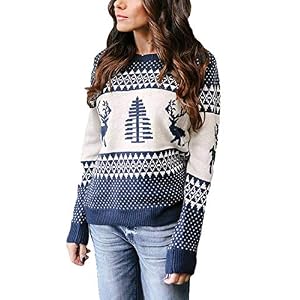
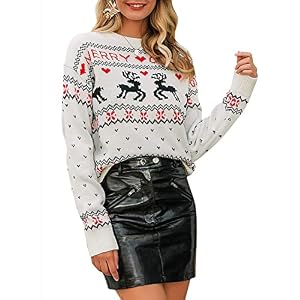
More traditional patterns in the Women’s Christmas Jumpers collection.