Christmas used to have a closing party, and we lost it. Twelfth Night — 5 January, the eve of Epiphany — was once the biggest celebration of the whole season, and its fingerprints are still all over the traditions we kept.
The bean in the cake
The centrepiece was the Twelfth Night cake, and inside it, a hidden dried bean or pea — with records reaching back to the 1300s. Whoever found the bean in their slice was crowned king or queen of the night, ruling the party regardless of their actual station: the servant could outrank the master until midnight. It was the last echo of the midwinter role-reversals that go back to Roman Saturnalia — that older story is in why Christmas is on 25 December.
What survived the party’s death
The Victorians, remodelling Christmas around family and the day itself, let Twelfth Night fade — but its parts were salvaged. The hidden bean became the sixpence in the Christmas pudding. The house-visiting and singing became carolling, by way of wassailing — whose traditional night was Twelfth Night itself. Even the idea that decorations must come down by 5 January is the old festival’s boundary line, still enforced by superstition long after everyone forgot why.
Source: The Royal Mint and Historic UK
The case for bringing it back
A closing party solves a real January problem: the season currently ends with a whimper of leftover cheese and a bin full of wrapping paper. A Twelfth Night gathering — cake, a hidden bean, a temporary monarch — is cheap, historically impeccable, and gives the jumper one final outing before the drawer. Anyone organising one should note it is the rare party where the group jumper makes historical sense: coordinated misrule is the entire theme.
Dressed for misrule
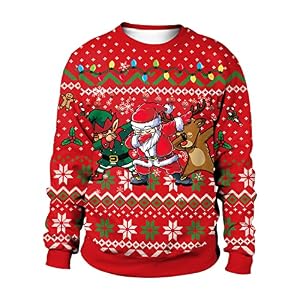

The Matching & Couples collection covers the rest of the court.