The clue has been sitting in the name the whole time: mincemeat. For most of its history, the mince pie contained actual meat, and the sweet, fruity version in the supermarket box is the newest thing about it.
A medieval preservation trick
The pie goes back to the medieval period, when returning crusaders brought Eastern spices home and cooks discovered that sugar, dried fruit and spice were powerful preservers of meat. The result was the “coffyn” — a pastry case packed with minced meat, fruit and spice. In the medieval and Tudor kitchen the meat was typically lamb or veal; by the eighteenth century it was more likely tongue or even tripe, and the nineteenth century preferred minced beef.
The Tudor pie was a sermon you could eat
Tudor mince pies were large, oblong affairs, and deliberately symbolic: thirteen ingredients for Christ and the twelve apostles, three spices — cinnamon, clove and nutmeg — for the three Magi, and the oblong shape standing in for the manger. The little round pie with a pastry lid is what remained after centuries of shrinking.
The meat quietly leaves
The filling sweetened gradually for centuries, but it was only in the late Victorian period and early twentieth century that the meat finally disappeared altogether — leaving the fruit, the spice, the suet and a name that no longer describes the contents. Nobody legislated the change; the pie simply drifted with the national palate until only the word was left.
Source: English Heritage and Historic UK
Why food traditions and jumper traditions rhyme
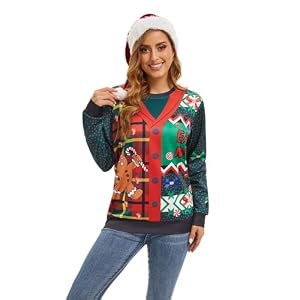
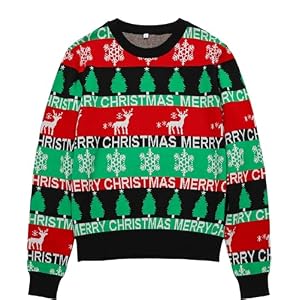
The mince pie is a useful reminder that Christmas traditions are not preserved — they are continuously rewritten while everyone insists nothing has changed. A pie that was once spiced mutton is now fruit in pastry; a jumper that was once sincere 1980s knitwear is now a deliberate joke; both feel eternal. The knitwear half of that story is in the history of the ugly Christmas jumper.
For the food-led Christmas
If your Christmas is organised primarily around the kitchen, the catalogue’s food-themed knitwear is the honest match — and gingerbread is the most reliably likeable motif in the whole category.