Iceland does not have one Father Christmas. It has thirteen, they are trolls, their mother eats children, and their cat eats anyone who did not get new clothes. It is, by some distance, the best Christmas folklore in Europe.
Thirteen nights, thirteen lads, one shoe
The Yule Lads are thirteen mischievous brothers who come down from the mountains one per night over the thirteen nights before Christmas — each with a name describing his particular vice, from Spoon-Licker to Door-Slammer to Sausage-Swiper. Icelandic children put a shoe on the windowsill each night: the well-behaved wake to a small treat, and the badly-behaved to a rotting potato, which is a considerably more committed piece of parenting than a lump of coal.
Grýla, and the strongest dress code in Christmas
The Lads’ mother, Grýla, is an ogress who spends December collecting naughty children in a sack, and their household pet — the Yule Cat — is said to devour anyone who does not receive at least one item of new clothing before Christmas Eve. Icelandic folklore, in other words, contains a monster whose entire function is enforcing new knitwear. This site has never encountered a tradition it endorses more completely.
Source: Smithsonian Magazine and Guide to Iceland
The same instincts, tidied up
Strip away the trolls and the structure is familiar: a countdown (the advent calendar, thirteen nights instead of twenty-four), surveillance-based behaviour incentives (the Elf on the Shelf, invented eight hundred years later), and a hard requirement for new Christmas clothes — which Britain reinvented voluntarily as jumper day.
Satisfy the Yule Cat
New clothing before Christmas Eve, per the folklore. For the smallest household members most at risk:
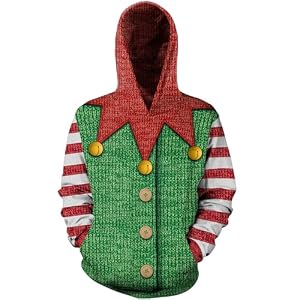
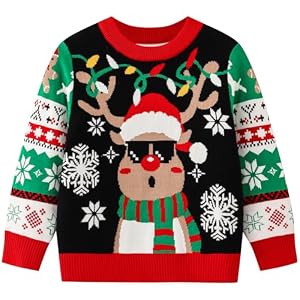
The full Kids’ Christmas Jumpers collection — technically cat-repellent, every one.